How does it work?
Couple Pulse uses your phone’s camera and flash to detect tiny changes in fingertip color and estimate your heartbeat timing. Similar technology is used in smart watches and finger pulse meters.
How to use it
Get comfortable.
Sit or lie down comfortably and relax. Hold your phone at heart level.
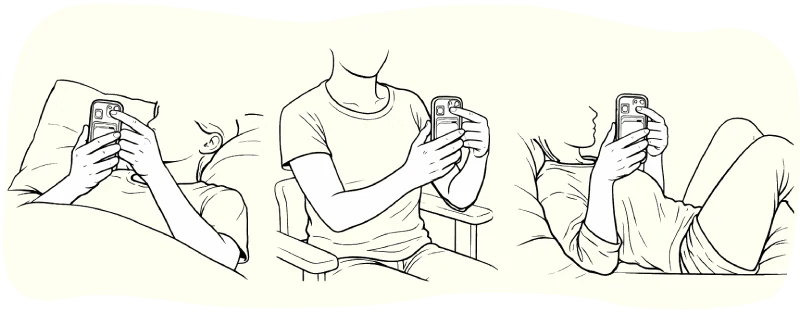
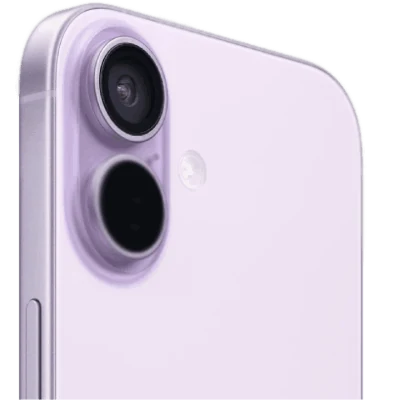
Cover the active camera.
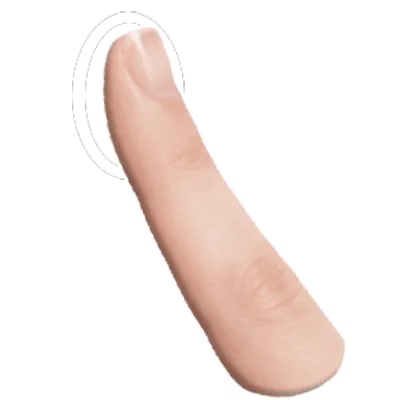
Gently place your fingertip over the rear camera lens the app is using.
- Use the soft pad of your finger.
- Cover the lens completely, without pressing hard.
- Keep your fingertip still.
Start recording.
Go back to Couple Pulse and tap Start Recording. The flash will turn on. Hold your phone and finger still, breathe normally, and relax.
Check the heart while recording. It should look red. If it doesn’t, gently adjust your fingertip to completely cover the active rear camera lens, then hold still.
Cover the flash too, if it’s close.
Keep the soft pad of your finger gently over the active lens. Cover the flash as well if you can. If the flash is farther away, keep the lens covered and hold still.
Camera questions
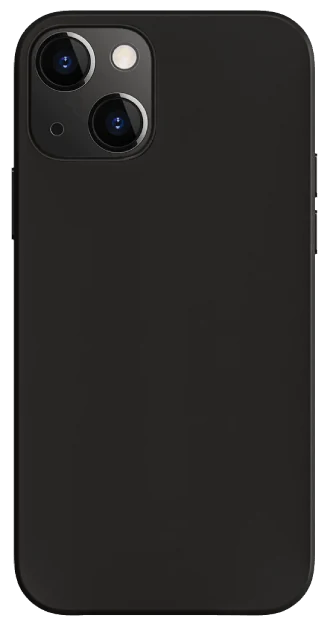
What if the flash is far from the camera?
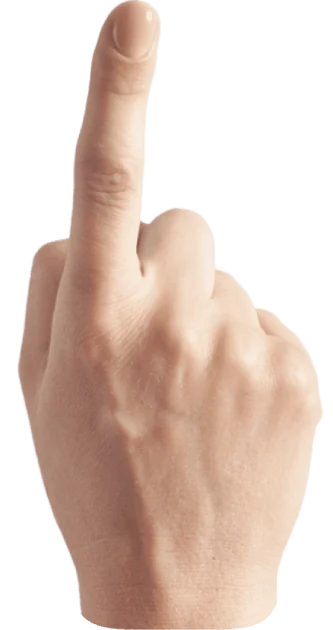
Cover one rear lens fully with the soft pad of your index finger and hold still. Your fingertip needs steady, even light. The flash helps, but bright room light can work too. If the flash is farther away, just cover the lens and hold still.
Do I need to remove my phone case?
Only if your case blocks the camera or flash, or makes it hard to cover both completely.
How does it work?
The rear camera and flash detect subtle changes in fingertip color and estimate heartbeat timing. Similar optical methods are used in smart watches and finger pulse meters, but Couple Pulse is not a medical measurement or a medical device.
Read about photoplethysmography ↗About heartbeat estimates
The heartbeat feature is for entertainment. Couple Pulse is not a medical device and does not provide medical advice. It is not intended to diagnose, treat, cure, monitor, or prevent any disease or medical condition.
Estimates may be inaccurate or unavailable because of movement, contact quality, lighting, device differences, or environmental conditions.
Do not use it for medical decisions or emergencies. For a medical emergency, contact local emergency services.
Do not use it while driving or doing anything that needs your full attention. Stop if it causes discomfort, anxiety, or distress.